For many small business owners, the phrase compliance automation can sound intimidating almost like something meant only for big corporations with large legal departments. But the truth is far simpler: compliance automation is a modern tool designed to make business life easier, especially for entrepreneurs and small teams who don’t have the time or resources to constantly study legal updates.
At its core, compliance automation is software that quietly handles your compliance responsibilities in the background. Imagine having a digital assistant who never forgets deadlines, never misses a new regulation, never misplaces a document, and never gets overwhelmed. That’s essentially what automation does.
The process usually begins with the system learning about your business, your industry, location, size, licenses, and specific regulatory obligations. Once it understands your requirements, it continuously scans official sources, government portals, and regulatory bodies for updates that may affect you. Instead of sending you long legal summaries, it translates these updates into simple, actionable information. If something changes, you’re notified in clear language, without needing to read pages of legal jargon.
Automation also handles the administrative side of compliance. For example, if your policies or documents need updating due to a new law, the system automatically revises them. You don’t need to manually rewrite contracts or handbooks. If you have renewal deadlines approaching whether for taxes, permits, certifications, inspections, or reports the system sends timely reminders so nothing catches you off guard.
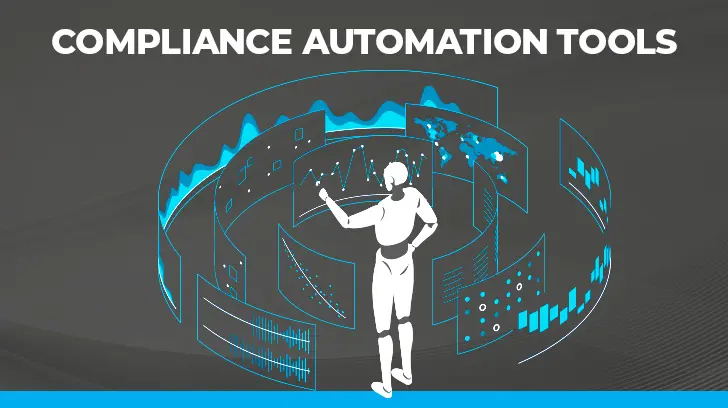
Perhaps one of the most helpful features is the compliance dashboard. In one glance, you can see the exact status of your business: what is compliant, what needs attention, and what has been completed. This eliminates guesswork and reduces anxiety, especially during audits or inspections, where clarity and organization are crucial.
Another benefit is team coordination. Instead of relying on scattered emails or memory, compliance tasks can be assigned directly through the automation tool. Managers can track progress, ensure staff responsibilities are clear, and maintain accountability without micromanaging.
Overall, compliance automation removes the complexity of staying compliant. It turns a traditionally stressful, time-consuming, and error-prone process into something predictable, manageable, and often completely hands-free. With compliance under control, business owners gain more time, more confidence, and more focus to invest in growth, innovation, and serving their customers.